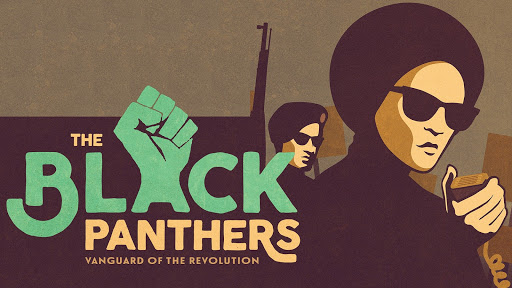
The Black Panthers: Vanguard of the Revolution is a documentary written and directed by Stanley Nelson Jr., released in 2015. The documentary details the creation and rise of the “infamous” Black Panther Party through story telling and interviews with surviving Party members and former FBI agents. The purpose of this documentary is to explore the significance of the Black Panther Party to American culture and explain the political awakening of African American’s through to the Party’s campaigns.
What lessons were taken away from this documentary film?
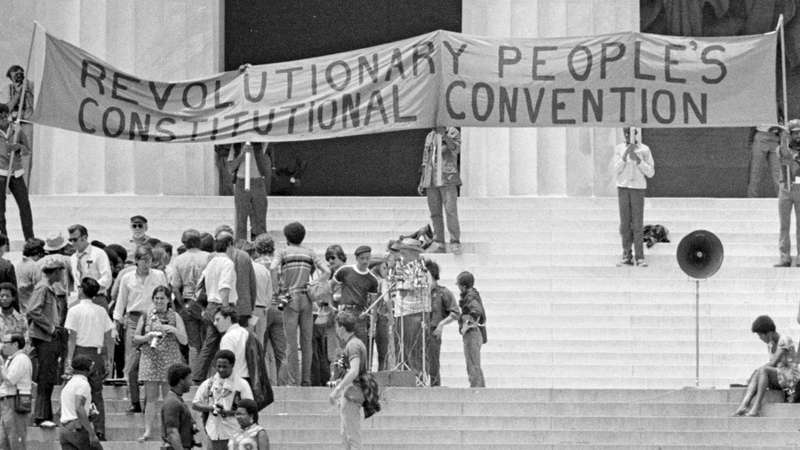
The main lesson taken away from the story told through The Black Panthers: Vanguard of the Revolution is that Black Americans have immense cultural and societal power. Everyday African-Americans deal with societal abuse simply because they are Black, but this documentary shows how much power the Black community has within the United States when they choose to organize. When the African American community is unified through grassroots organizing the societal change that takes place is striking; Politicians and US government officials have to listen to African Americans because of the Black communities influence on the country’s culture.
Another lesson, not learned, but demonstrated throughout The Black Panthers: Vanguard of the Revolution is that certain actions are viewed as aggression only when they’re carried out by African Americans. Just as the Black Lives Matter movement has been deemed “violent”, the Black Panther Party was portrayed as militant and highly dangerous for taking advantage of California’s lack gun laws to defend against police brutality.
Lastly, it is always said that “history repeats itself”, and this documentary highlighted that phrase. The Black Panther Party walked so that the Black Lives Matter Movement could run. When taught about the Black Panther Party the reason behind the creation of the party is rarely mentioned; it was formed to protect Black citizens of Oakland, California from violent and often deadly police abuse. History repeats itself, Black people were tired then and Black people are STILL tired of being physically and mentally abused by uniformed officials.

How did the Black Activist Movement influence the Cultural aesthetic of that era?
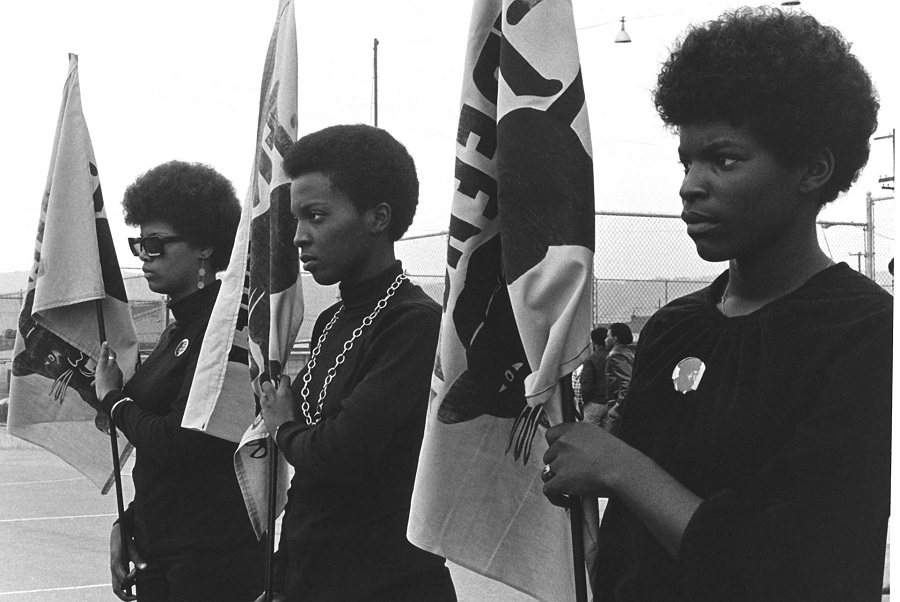
The Black Panther Party changed the cookie cutter image of the Civil Rights Movement. Prior to the formation of the Black Panther’s formation, Martin Luther King and other prominent Civil Rights Activist sought to integrate society through somewhat of an assimilation process. The Civil Rights movement was based on “loving thy neighbor” and gaining civil rights through peaceful measures; Malcolm X was an outlier and seen as militant simply because his rhetoric did not cater to white America. Before the Black Panthers’ cultural revolution Black women were still straightening their hair everyday to be socially accepted and Black men were tip-toeing by the police to appear non threatening; the Black community was passively asking for their Civil Rights guaranteed by the Constitution.
The Black Panther Party took a different approach to obtaining their Civil Liberties; they were tired of being abused by the system, and politely asking for their freedom from the chains of brutality. The Black Panthers created a Black political and social awakening; through grassroots organizing and powerful messages the party opened Black people’s eyes to how the United States viewed their existence. Armed with knowledge, Black Panther members and supporters started to accept their Black identity and live unapologetically; sporting natural hair, and doing things within their Civil Rights that was considered taboo at the time.
The Black Panther Party’s agenda also opened the eyes of white supporters of the Civil Rights Movement; it exposed the performative white “ally”, whose intent when supporting the Civil Rights movement would not further the advancement of the Black community. The Black Panther’s differentiated between racist and non racist whites, and allied themselves with progressive whites passionate about fighting for equality within the United States. Panther leaders educated progressive whites, because although they were not racist most were typically unable to be completely bias free and lacked understanding of the Black experience.
The Black Panther Party changed what was and still is a “game” of fighting for Black equality from defensive to offensive. Instead of seeing a Black man being killed by police and bringing it to the President hoping the incident would be what finally sparked lawmakers to spring into action, the Panthers’ armed themselves and patrolled their cities to protect the incidents from happening. The members of the Black Panther Party were the “bad boys” of the Civil Rights Movement; they were gritty, they were unapologetic, and they were tired of having to be civil when fighting egregious violations of basic human rights at the hands of the United States government. The movement embraced the cultural ideal that Black people are “aggressive” since the stereotype was already partially to blame for the unlawful execution and detention of peaceful Blacks.
I have done extensive research on the Black Panther Party, mainly through the duration of a Malcolm X Political Theory course taken in the Fall of 2020. Just as Malcom X’s rhetoric was seen as hostile because he spoke about racial tension fiercely, The Black Panther was societally outcast for demanding rather than asking for Civil Rights; often in introductory history classes Malcolm X and The Black Panther Party are grouped together. The Malcolm X course offered by Professor Bruce Lapenson, Political Science PhD, opened my eyes to the inaccuracies of my previously learned information about the “militant” side of the Civil Rights Movement. Although Malcolm X knew about the organizing taking place in Oakland before his execution, the Black Panther Party was not official formed until after his death; Malcolm X and the Black Panthers’ are grouped simply because they were both deemed militant and hostile by the United States government. Although I already had an understanding of the Black Panther Party and their cultural outreach, The Black Panther: Vanguard of the Revolution offered extensive information that expanded my knowledge on the foundations of the Party and their struggle with the Federal Bureau of Investigations.
 Olivia Coy Daniel